Back to home

Music and art

A space to explore the connections between music and the visual arts: painting, sculpture, architecture and artistic movements meet sounds, instruments and musical forms.

Music among the Arts

Music does not exist on its own: it interacts with painting, sculpture, architecture and literature. Over the centuries, artists and musicians have looked to the other arts for inspiration for new forms, colours and sound sensations.

From Images to Sounds

A painting can suggest a rhythm, a melody or a mood. Think of Debussy and Impressionist painting, Kandinskij and abstract music, or symphonic programmes that describe scenes, characters and landscapes.

Architecture and Sound Spaces

Gothic cathedrals, Baroque theatres and modern concert halls are spaces designed for music. A place's acoustics influence how we perceive sound and silence.

Comparing Movements

Renaissance, Baroque, Romanticism, Impressionism, Futurism: every artistic movement has a musical counterpart. Comparing works of art with pieces of music from the same period helps us understand the tastes, society and ideas of an era.

🎨🎵 Join the Orchestra of Colours: Art, Sound and Synaesthesia

An inclusive lesson exploring the connection between music and painting by turning sounds into shapes and colours.

Materia

Art and Visual Studies / Music

Destinatari

Middle School

Durata

2 Hours (or 2 sessions of 60 min)

Obiettivo

Turn sounds into shapes/colours and vice versa

🧠 1. Quick Concept Map

Here is a visual summary of the lesson's key idea:

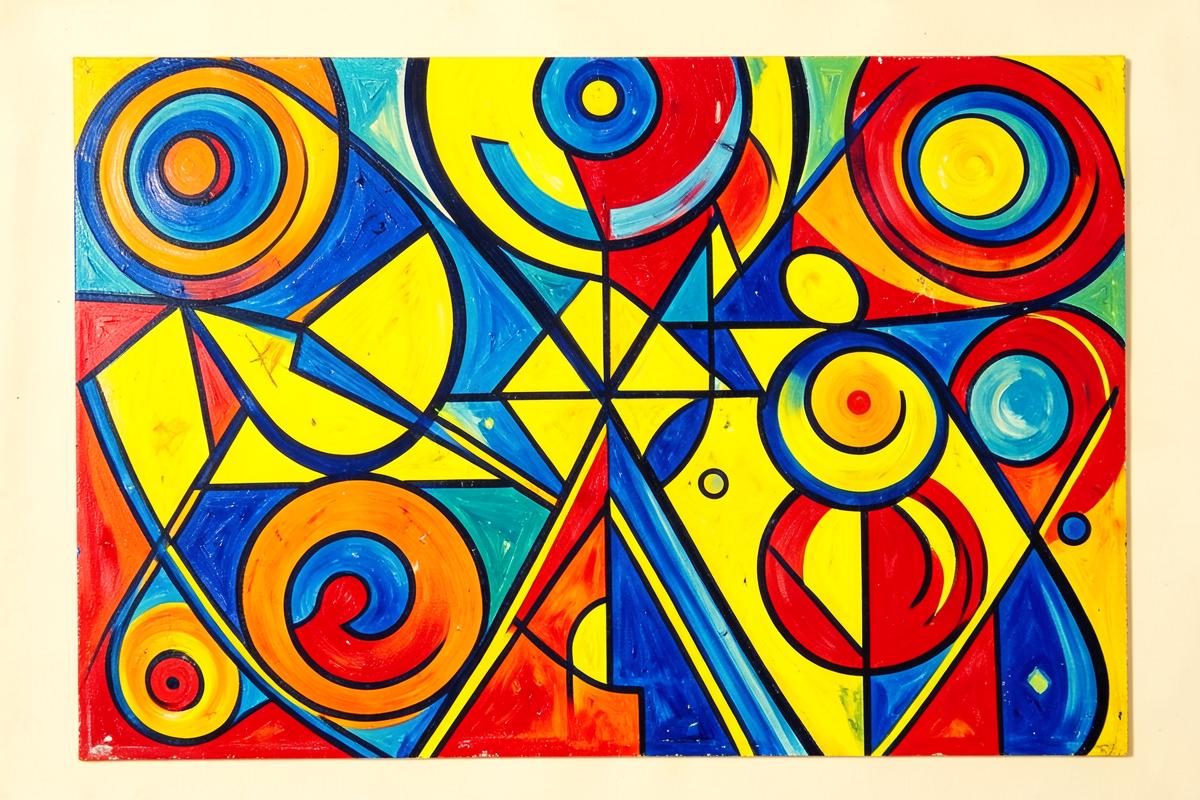
Composizione astratta in stile Kandinsky con forme geometriche e colori vivaci che evocano suoni e strumenti musicali

Wassily Kandinsky

He listened to music and turned it into abstract paintings (shapes, lines, colours).

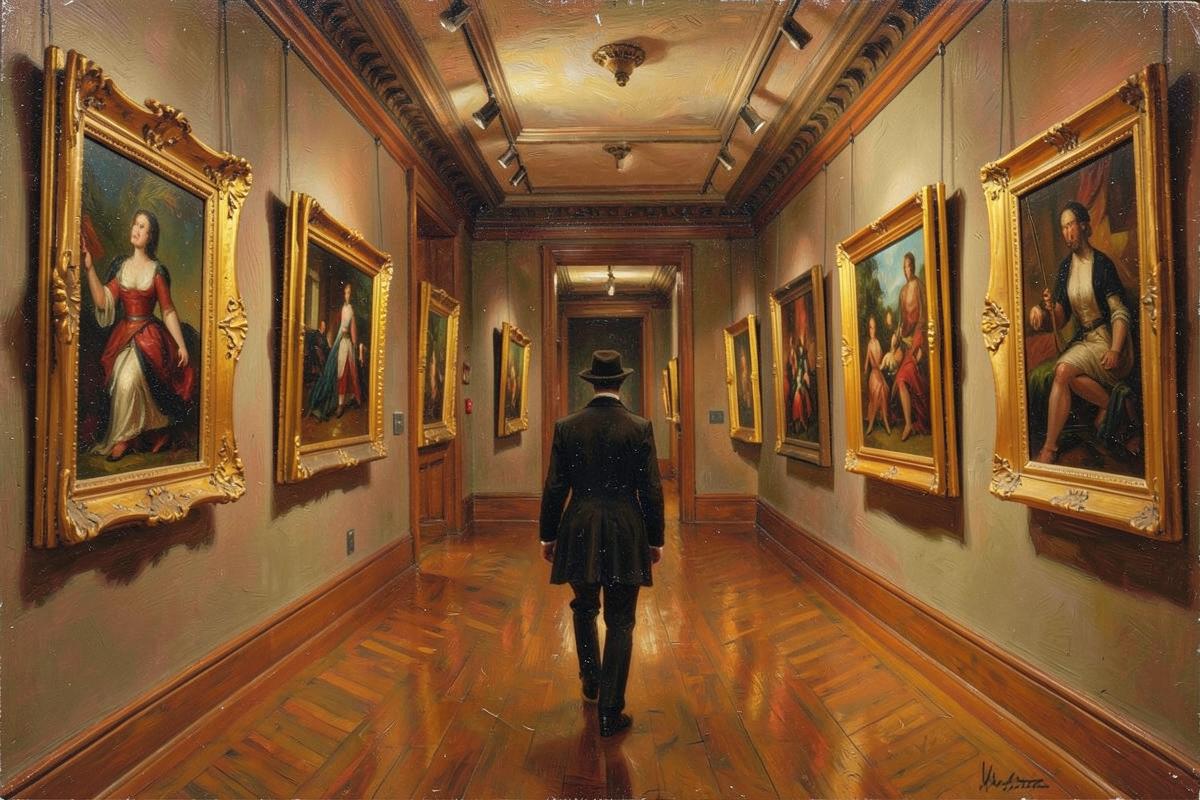
Dipinto di una galleria d'arte ottocentesca con quadri dorati, come la Promenade dei Quadri di un'esposizione di Mussorgsky

Modest Mussorgsky

He looked at paintings and turned them into pieces of music (notes, rhythm, timbre).

🔍 2. Exploration: When Music Meets Painting

🎨 Painting Sounds: Kandinsky

For Kandinsky, every colour created a vibration in the soul that matched a musical instrument:

  • Yellow: loud and high-pitched like a trumpet.
  • Blue: deep and calm like a cello.
  • A jagged line: a fast, driving rhythm.

We can see this in the famous painting Giallo-Rosso-Blu (1925), in which Kandinsky arranges colours and lines as if they were instruments in an orchestra: yellow rings out at a high pitch, blue spreads out with depth, and geometric shapes pulse to the beat.

🎼 Telling the Stories of Paintings: Mussorgsky

Mussorgsky composed the work "Quadri di un'esposizione" after visiting an art exhibition:

  • Each piece of music "describes" a painting.
  • The piece Promenade represents the footsteps of a person walking through the art gallery.

The work consists of ten miniatures, preceded by and interspersed with the Promenade, the theme that represents the visitor moving from one painting to another. Mussorgsky uses timbre, rhythm and register to help us “see” with our ears: in Il vecchio castello the sound is mysterious and dark, like a medieval painting; in Baba-Jagà the witch's flight becomes frantic rhythms and broken chords; La grande porta di Kiev closes the cycle with a glorious climax of sound, as if the monumental gateway in the painting were rising before us.

📚 3. Key Concepts at a Glance

ConceptWhat Does It Mean?Practical Example
Synaesthesia Experiencing one sense through another (e.g. "seeing" a sound or "hearing" a colour). A high-pitched sound becomes a thin yellow line.
Visual Rhythm Regular or varied repetition of visual elements on the page. Evenly spaced red dots.
Timbre and Colour The distinctive "character" of a musical instrument or a shade of colour. Trumpet = bright yellow; Cello = midnight blue.

🚀 4. Practical Workshop: "Listen, Feel, Draw!"

Follow these 4 simple steps to create your own synaesthetic artwork:

  1. 1

    Stage 1: Preparation (5 minutes)

    Take a sheet of drawing paper and use a pencil to divide it into 4 equal sections. Get your favourite colours ready (felt-tip pens, coloured pencils or chalk).

  2. 2

    Stage 2: Listening in the Dark (5 minutes)

    Close your eyes and listen to the piece of music playing in the classroom. Ask yourself: is the music fast or slow? Is it gentle or jagged?

  3. 3

    Stage 3: Trace the Sound (15 minutes)

    Listen to the piece again. Let your hand move freely across the paper in time with the music. Use warm colours for loud sounds and cool colours for gentle sounds.

  4. 4

    Stage 4: The Class Exhibition (10 minutes)

    Put your work on the classroom wall alongside your classmates' work to create our group exhibition!

🏛️ 5. Spaces That Resonate: The Architecture of Music

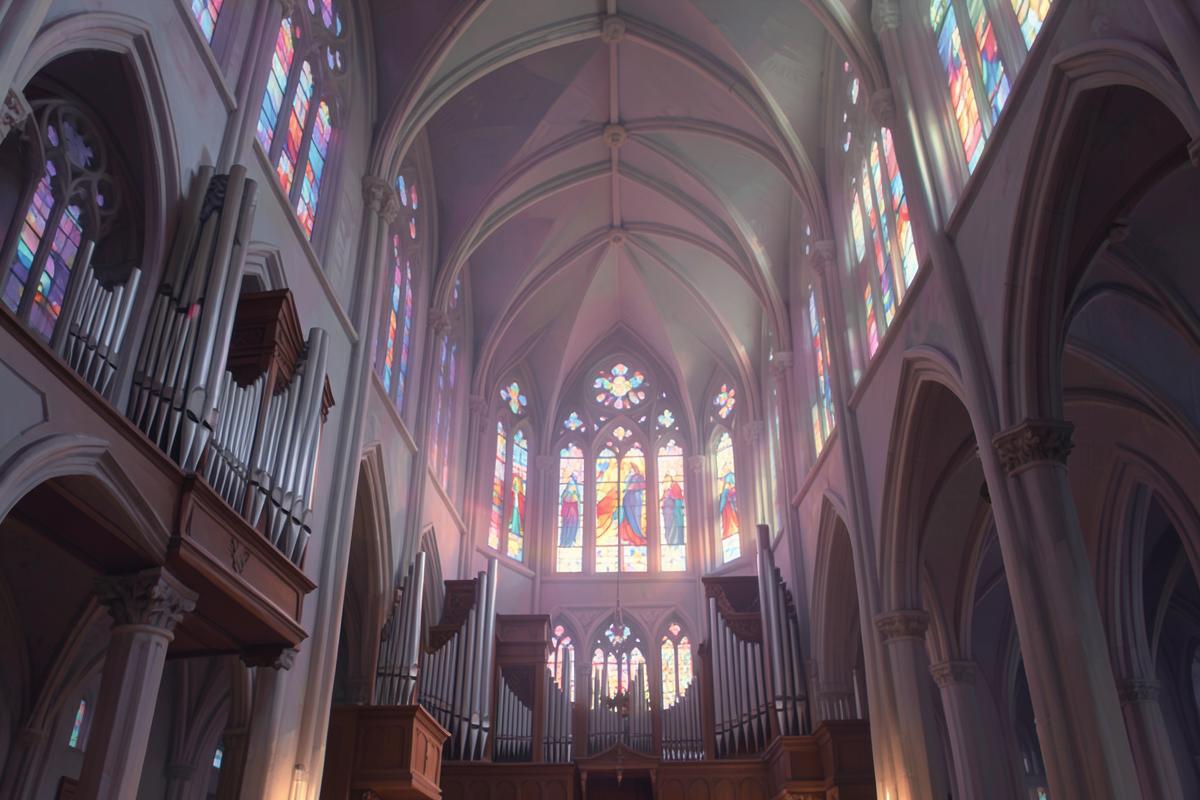
Interno di una cattedrale gotica con organo e vetrate colorate che diffondono luce e suono

Cathedrals, theatres and concert halls are designed to hold and amplify sound. Stained-glass windows colour the light just as instruments colour the timbre: space, image and music blend into a single experience for all the senses.

Three pieces to listen to:

  • Thomas Tallis – Spem in alium: a motet for 40 voices that makes use of the reverberation in large English cathedrals.
  • J.S. Bach – Toccata e fuga in re minore BWV 565: written for the organ, it reveals how a church's architecture shapes sound.
  • Claude Debussy – La cathédrale engloutie: the sea submerges a cathedral and brings it back to the surface, amid water, light and resonance.
Made with ♥ by Maristella Povellato

More Materials Coming Soon

This section will grow with new worksheets on works of art and pieces of music, concept maps and activities comparing different forms of artistic expression.